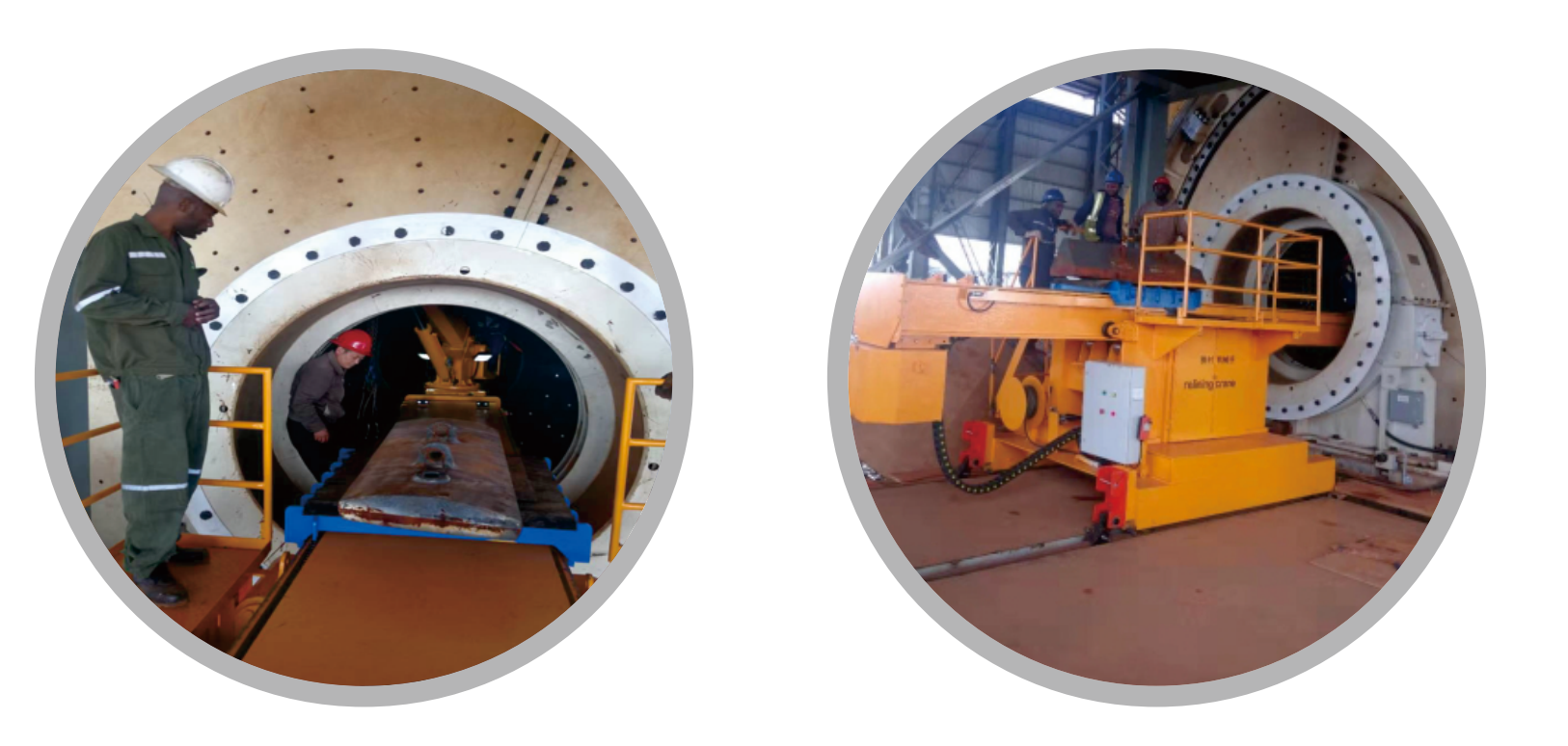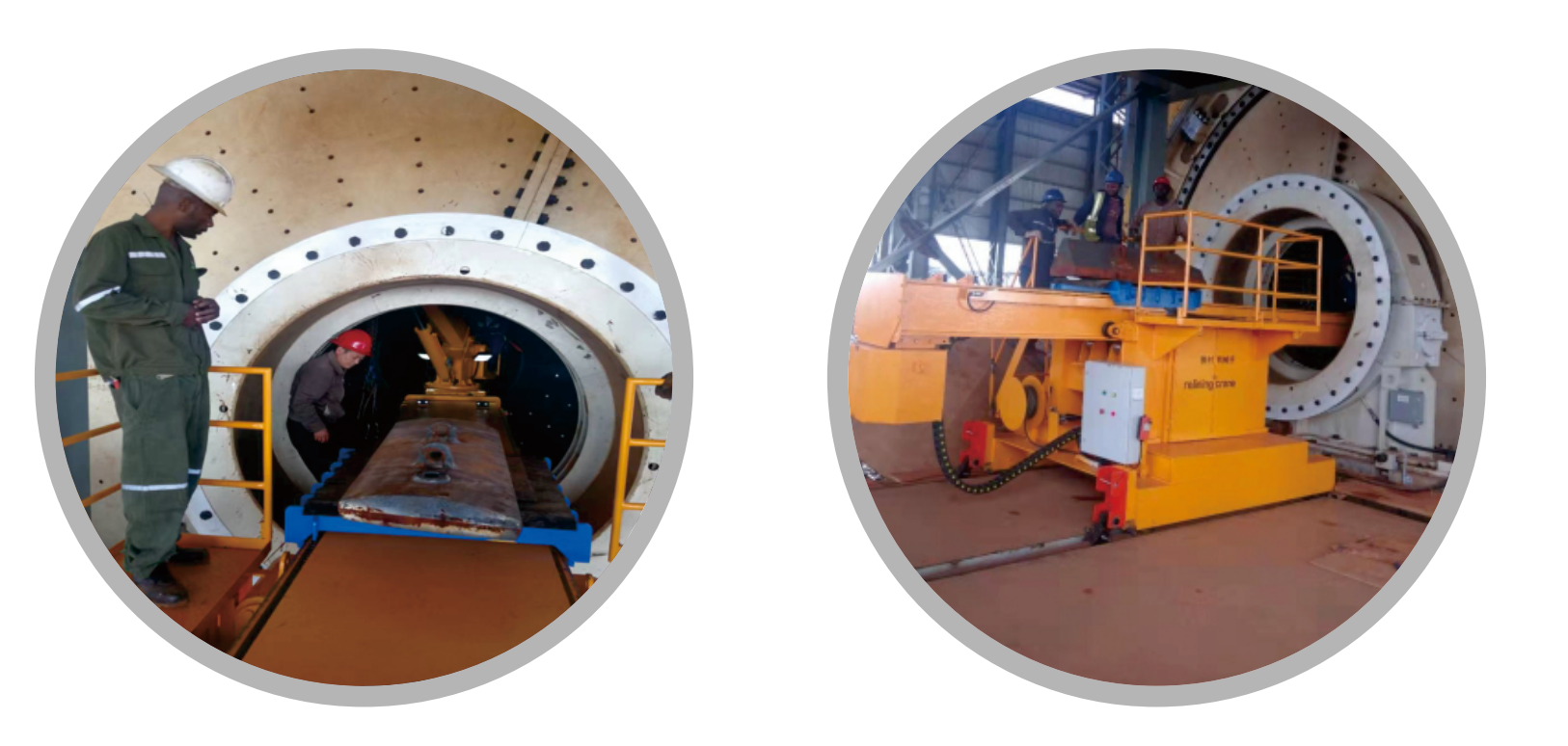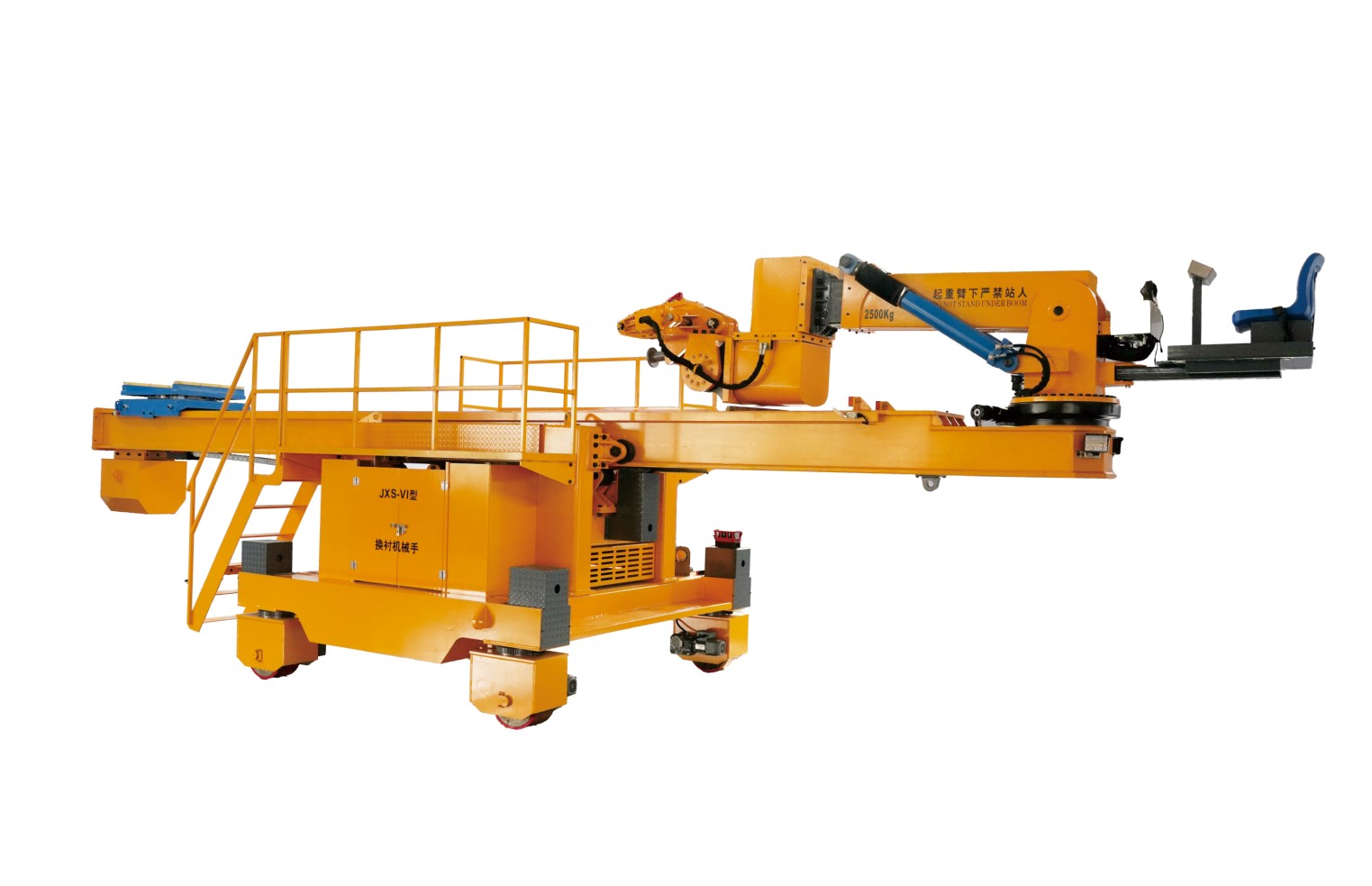
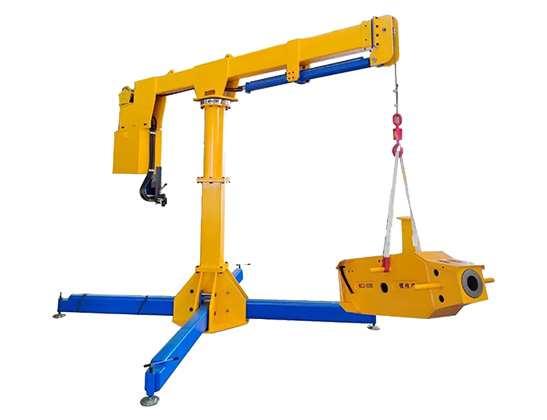
Seven axes are wasted if the machine still thinks in three. Our R&D group’s latest motion-planning algorithm uses the full JXS kinematic chain to shorten the liner path — pick, clear the shell, place, release — without asking the operator to “steer” the extra joints. Across 14 mine-site trials the average placement time dropped 22% against the previous control release.
The update ships on new 7-axis machines from Q3 2026 and is available as a control drop on current frames after a site check. No boom redesign. No new pendant. The change is in how the path is planned between the points the operator already sets.
What changed in the path
Earlier software treated the outer axes as trim. The new planner solves the whole chain, keeps the liner attitude inside a defined envelope, and cuts the pauses that used to sit between slew and reach. Collision volumes for mill shell, feed chute and the handler itself are in the model, so a faster path is still a legal path.
“The operator still places two points. The machine now chooses a route a skilled boom driver would have taken, without the extra minutes.”
Controls lead, Feidong R&D
How we measured it
Fourteen trials, mixed SAG and ball mills, liner masses from 1.8 T to 5.4 T. Timing ran from grapple lock to bolt-hole alignment, averaged over a shift, compared with the same crew on the previous software. 22% is the mean. The spread is why we do not sell the number as a guarantee — mill geometry still sets the ceiling. See the JXS range, or ask whether your serial number is in the Q3 drop.