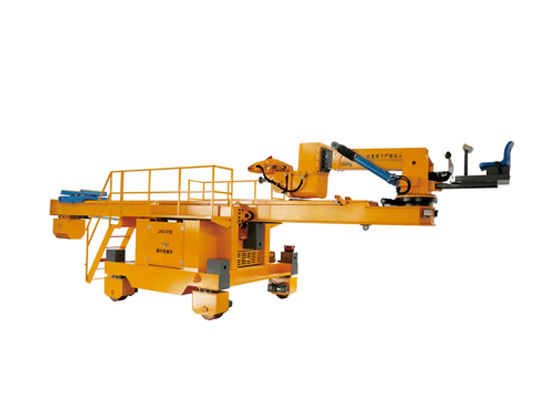
Keda Intelligent IoT took the smart high-bay at Jiangxi Copper’s Guixi works. CHUNHUA built the three unmanned loading cranes that sit on the dispatch end of that warehouse — QD12.5t-4m machines that pull cathode stacks off the conveyor and put them on the truck.
Jiangxi Copper was founded in 1979 to rebuild China’s copper industry. It is now a major cathode producer with mines and processing in China, Peru, Kazakhstan and Afghanistan. The Guixi plant needed a loading rate the floor crew could not hold by hand: 70 stacks an hour.
How the load runs
WMS writes the job and sends it to the loading system. The loading system runs the crane to the cathode take-off, 3D-scans the stack and the structure around it, and only then issues the grab. After the clamp reports a lock, the same scan-and-sensor pack tells the crane where the truck wants the stack. Safety rules stay live for the whole cycle — if the path is not clear, the machine waits.
- Three QD12.5t-4m intelligent loading cranes
- 3D scan of the stack and nearby structure before every grab
- Clamp feedback into the warehouse controller
- Diagonal 3D safety radars, 270° × 90°, 30 m cover
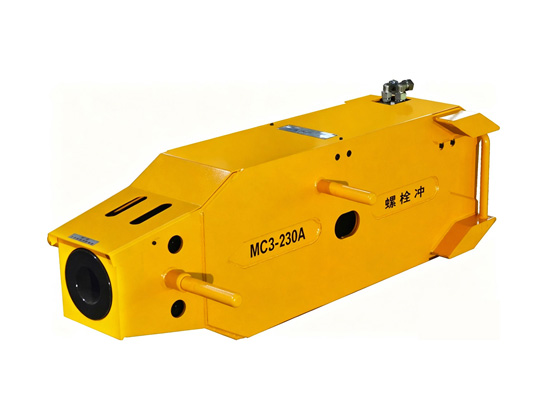
The tooling on the trolley is a purpose-built stack grab, not a generic hook. That is the difference between a catalogue crane and a loading cell that can hold 70 stacks an hour without a crew standing under the load.